Weather Emergencies
Integrated with the National Weather Service, NOAA satellite feeds, and ground-station sensor networks for the most comprehensive severe weather coverage available.
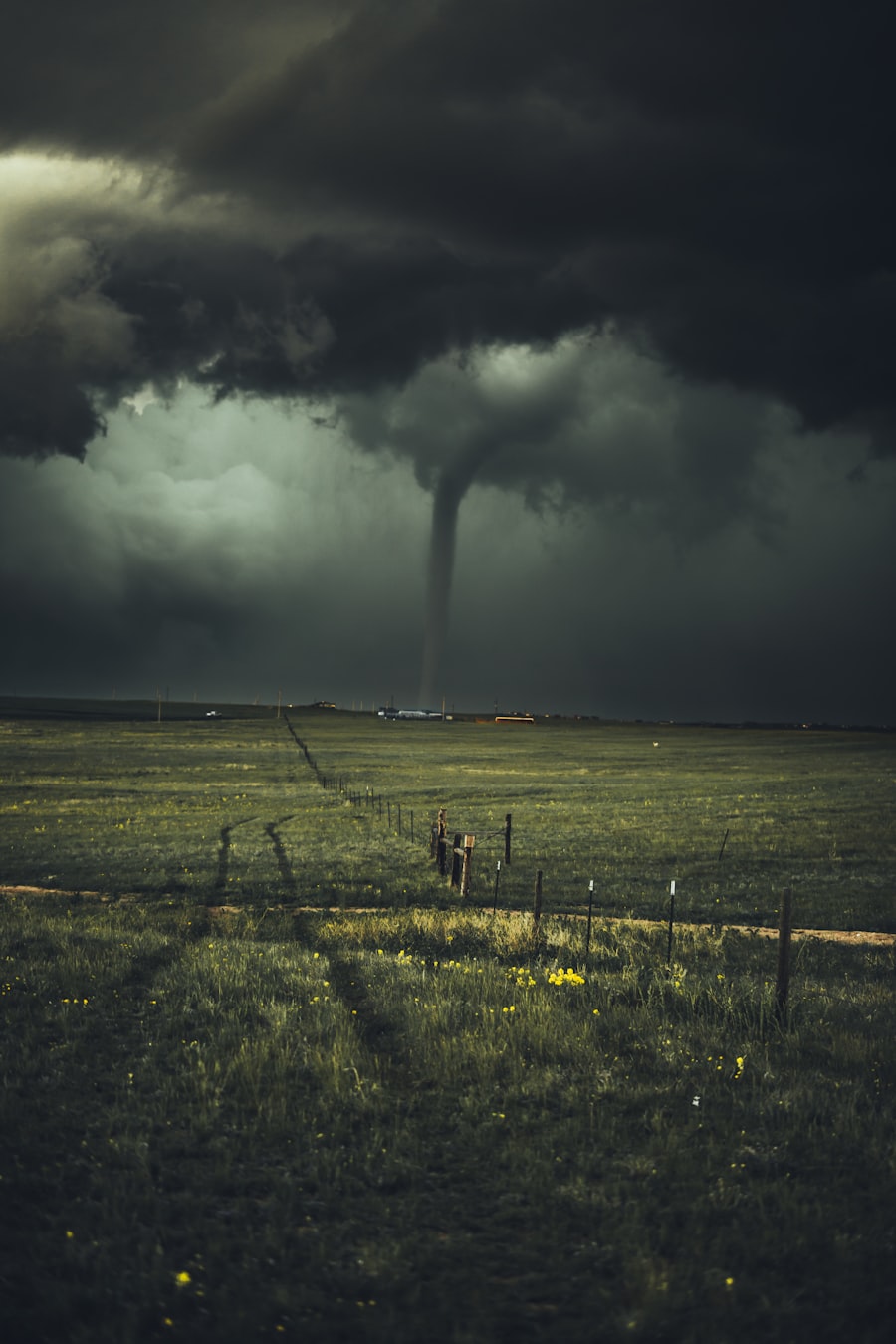
Tornado
AI-predicted paths with 92% accuracy at 30-minute horizon. Block-level impact zones overlaid on your exact location with basement/interior-room shelter guidance.
Hurricane
5-day track with cone-of-uncertainty mapping. Storm surge prediction, evacuation zone identification, and shelter pre-registration for your county.
Flood
Real-time river gauge integration and urban flash flood detection using precipitation radar and drainage capacity models specific to your watershed.
Winter Storm
Snowfall accumulation prediction, ice probability, wind chill alerts, and road condition forecasting with GPS-matched route analysis for your commute.
Extreme Heat
Heat index forecasting with personalized risk assessment based on household profile (age, health conditions). Nearest cooling center locations updated hourly.
Severe Thunderstorm
Lightning proximity tracking, hail size prediction, and straight-line wind warnings with 15-minute advance notice for your grid square.
Natural Disasters
Earthquake
ShakeAlert integration provides up to 20 seconds of advance warning. Post-quake structural risk assessment and aftershock probability modeling for your building type.
Tsunami
Deep-ocean buoy network monitoring with AI-predicted coastal arrival times. Vertical evacuation route mapping for coastal zones within inundation models.
Wildfire
Satellite hotspot detection, wind-driven spread prediction updated every 60 seconds, and air quality index with smoke drift modeling for your address.
Landslide & Debris Flow
Precipitation-triggered slope stability alerts for mapped hazard zones. Post-fire burn scar monitoring during rain events.
Human-Caused & Infrastructure
Active Threat
Law enforcement feed integration with shelter-in-place or evacuation routing based on threat location relative to yours. Updated in real-time as the situation evolves.
HAZMAT & Chemical
EPA TRI facility proximity alerts with wind-pattern modeling for chemical plume dispersion. Shelter-in-place vs. evacuation decision support.
Infrastructure Failure
Power grid, water main, gas pipeline, and telecommunications outages with estimated restoration timelines and alternative resource locations.
Nuclear & Radiological
NRC facility monitoring with fallout prediction modeling. Potassium iodide distribution point mapping and evacuation zone identification.
Public Health
CDC and state health department feed integration for outbreak alerts, boil-water notices, contamination events, and hospital diversion status.
Maritime Emergency
Coast Guard SARSAT integration, rip current warnings, storm surge alerts, and port closure notifications for coastal communities.