
What the Palisades Fire Taught Us About the 30-Minute Gap in Emergency Alerting
When 100mph winds drove the Palisades fire into densely populated neighborhoods in January 2025, county-wide Wireless Emergency Alerts told 4 million people to "monitor conditions" — but couldn't tell any individual family whether to evacuate or shelter in place. We analyzed the alert data and modeled how AI-personalized geospatial intelligence could have closed the gap.
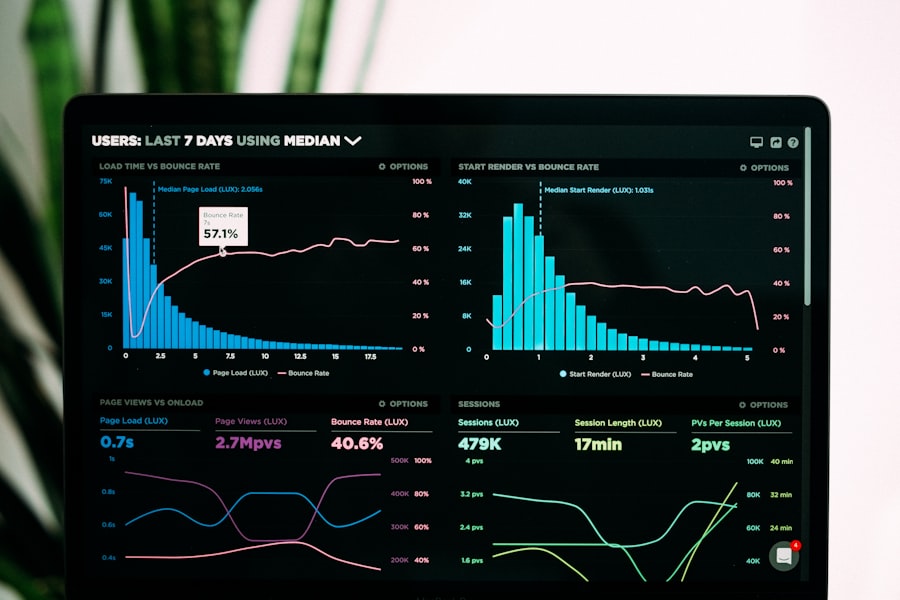
How Our NLP Models Detect Emergencies 18 Minutes Before Official Alerts
A deep dive into the transformer architecture behind ZoneCastAI's social signal intelligence pipeline and why unstructured text is the fastest signal.

2026 Wildfire Season Forecast: What AI Models Are Predicting
Our predictive models are showing above-average fire risk across the Pacific Northwest and Northern Rockies this summer. Here's what that means for your preparation plan.

ZoneCastAI v4.2: Mesh Networking and Offline Mode
Our latest release introduces device-to-device mesh networking that extends alert delivery even when cell towers are down. Here's how it works under the hood.
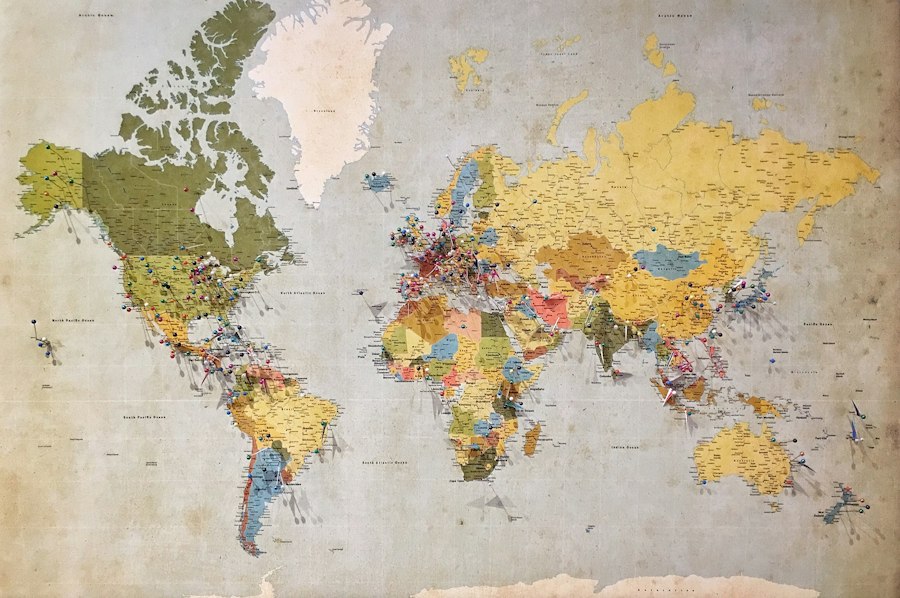
How 12,000 Houston Residents Got 30 Extra Minutes During the February Floods
A post-incident analysis of how ZoneCastAI's predictive flood modeling and community reports provided critical early warning during the February 2026 Gulf Coast flooding.

ZoneCastAI Selected for DHS S&T Smart Emergency Response Program
We're honored to announce our selection as a technology partner in the Department of Homeland Security's Science & Technology Directorate program for next-generation emergency alerting.
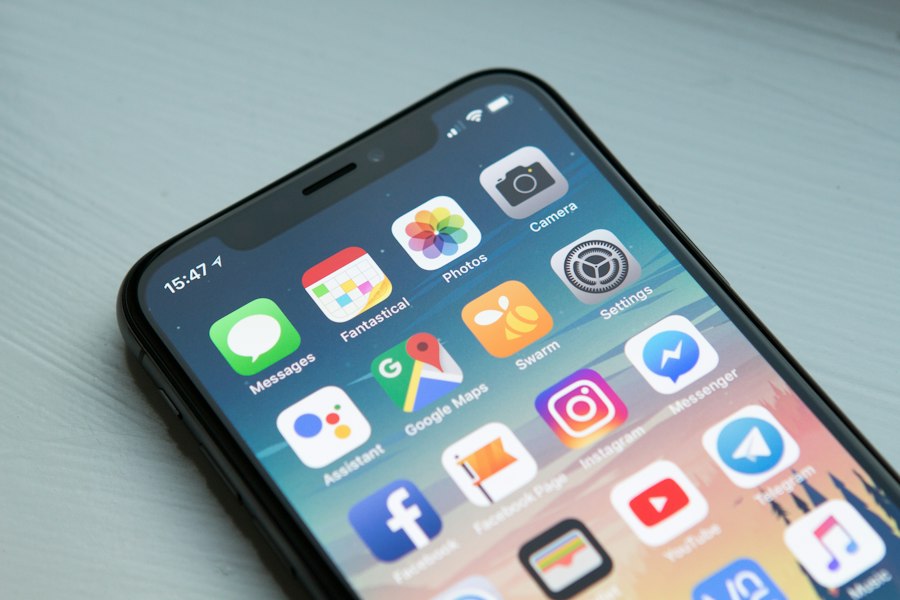
Designing for Panic: UX Principles for Emergency Interfaces
When people are terrified, every UI decision matters more. Our design team shares the research behind ZoneCastAI's high-stress interface patterns.

Building a Trustless System You Can Actually Trust
The internet was built without authentication. We mapped every trust boundary between your device and your destination — and what should be protecting you at each one. Toggle between personal and enterprise security postures.
Personal Cybersecurity in the Age of AI: What Every Emergency Responder Needs to Know
Our security team's full briefing on the current threat landscape — from social engineering lures to MFA bypass techniques — annotated with academic research on cybered conflict and STES resilience.
Read the Briefing →